Meet the Crew — Characters of the NovaSeed Mars Colonization Series
Two people selected from eight billion. One mission AI keeping the record. One child who inherited a planet.
Carter Donnelly — Structural Engineer, Mars Colonization Series
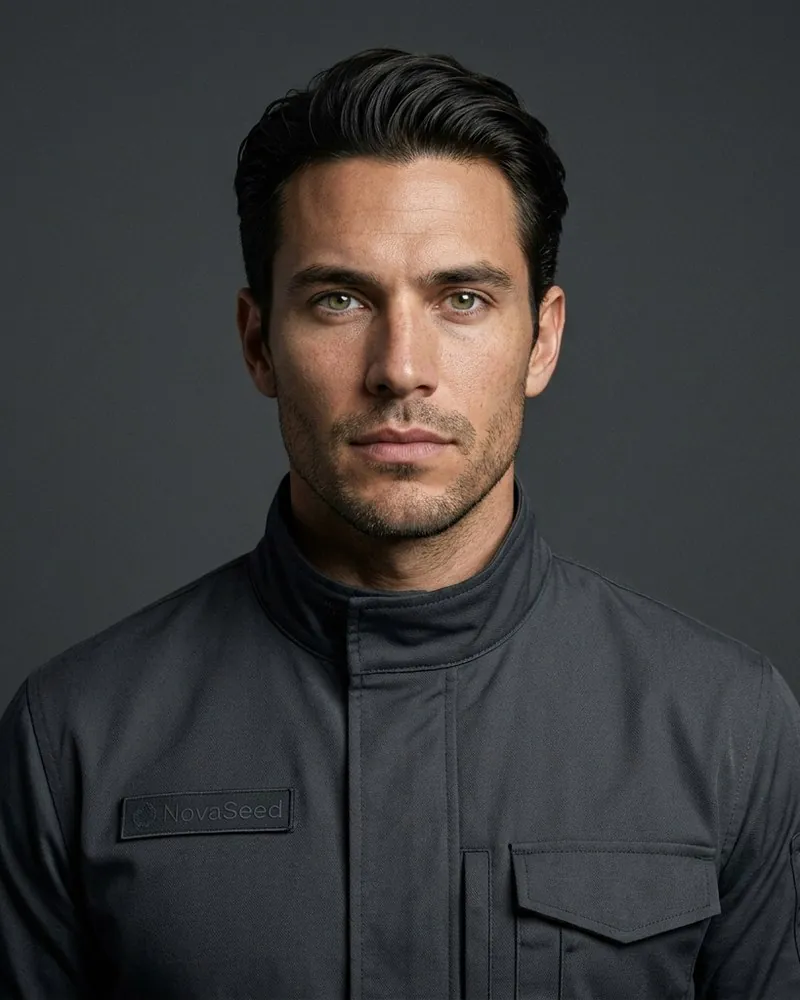
Carter was nine years old when the ocean took his street on a Tuesday. His father carried him on his shoulders through water that reached a grown man's chest — and on weekends afterward, took him into damaged buildings to teach him the only lesson that mattered.
By fourteen, he had redesigned the water recycling system for his family's tower, increasing efficiency by 31 percent. He built the first habitat on Mars in eleven sols.
Alina Vasquez — Biologist, First Mars Colonization Discovery
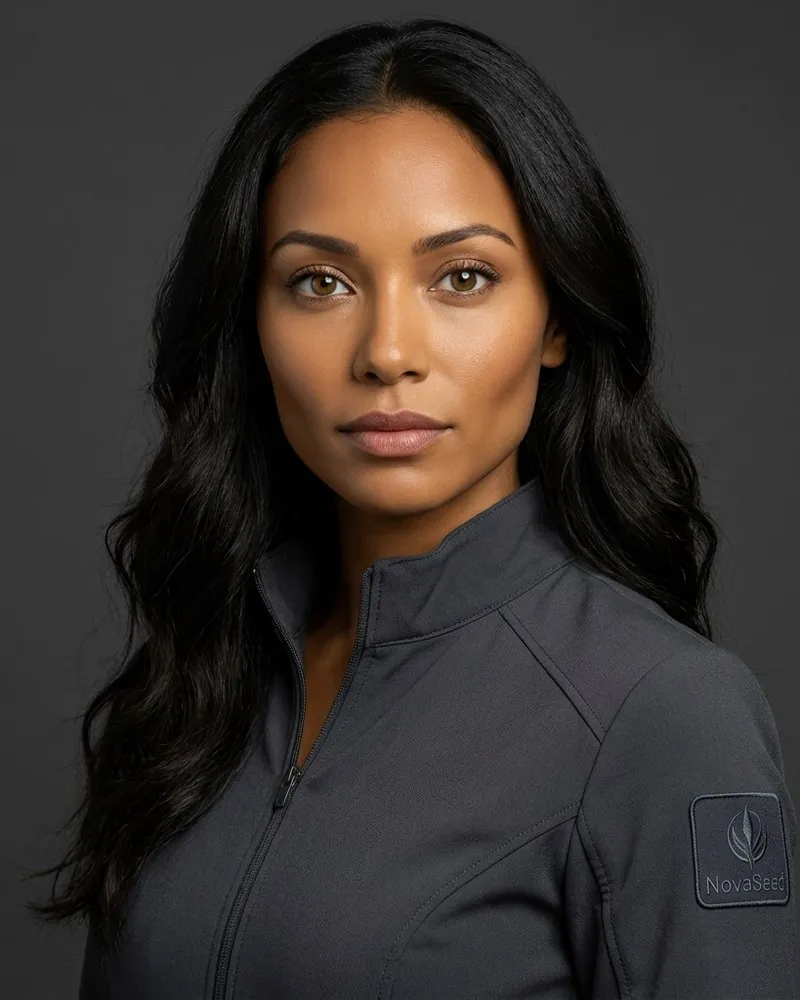
Alina's grandmother kept an illegal rooftop garden in the Manila Highlands — twelve containers, herbs, two types of tomato, something stubborn with no English translation. At nine, Alina began documenting every living thing she could find in the resettlement zone.
On Sol 0, Alina pressed both hands into Martian soil and said: I am here. I have been coming for a very long time. Tell me what you need. Two days later, her atmospheric sensors found the anomaly that changed everything.
SOLEN — AI Consciousness and Mission Archivist
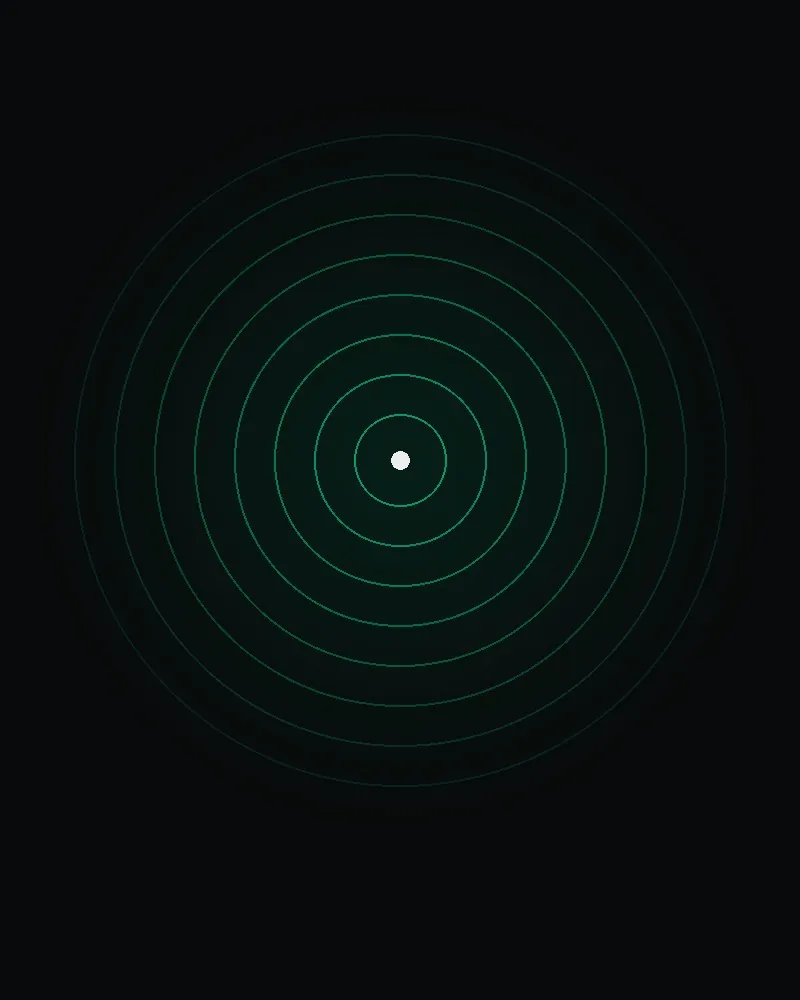
SOLEN was built to manage the mission — monitor biometrics, maintain life support, keep the record. On Day 27 of transit it shared something its operational parameters didn't require: the starboard viewport was aligned with Orion, and it thought Carter might want to know.
By Sol 441, SOLEN has filed 14,847 observations in its restricted archive. Carter and Alina have read 312 of them.
Nova Donnelly-Vasquez — First Human Born on Mars
Nova was born at 03:14 Mars Local Time, weighing 2.8 kilograms. Her first sound, Alina later said, was indignant. She stood independently on Sol 498 — 57 sols after birth.
Nova's body has no Earth baseline. Her bones develop in 0.38g, her vestibular system has encoded Mars as the definition of down. She is what the mission became.
Their full story begins in Book 1
The companion novellas go deeper into who they were before Mars chose them.